

Is Double Glazing Worth It for Window Replacement on the Gold Coast?
Double glazing is worth it for most Gold Coast homes, but not for the reasons you'd hear in a cooler climate. On the Gold Coast, the value sits in heat-load reduction, noise control and condensation management rather than keeping warmth in, which changes how you should weigh up the extra cost against a standard glass replacement.
If you're planning a window replacement, Gold Coast homeowners often start this decision the same way: comparing quotes, then wondering whether the double-glazed option is worth the jump in price. Here's how to think it through properly.
Is Double Glazing Worth It in Queensland's Climate?
Queensland's subtropical conditions change the double glazing equation compared to Melbourne or Canberra. In cold-climate states, double glazing earns its keep by holding heat inside through winter. On the Gold Coast, the job is closer to the opposite: keeping the intense subtropical heat and humidity out, while managing the condensation that builds up on glass in a coastal, high-humidity environment.
That's still a genuine benefit – heat gain through glass drives air conditioning costs in Gold Coast homes for most of the year, and double glazing reduces that heat transfer significantly. But it means the case for double glazing on the Gold Coast should be argued on cooling load and comfort, not on the insulation language you'll see in cold-climate marketing.
Why Double Glazing Works Differently in a Coastal Climate
Two panes of glass with a sealed air or gas gap between them slow heat transfer in both directions. In a cooler state, that mostly matters for keeping heat in. On the Gold Coast, it matters more for:
- Reduced heat load: less afternoon sun & ambient heat transferring through north- & west-facing glass, easing pressure on air conditioning
- Condensation control: a well-sealed double-glazed unit resists the interior condensation that single-pane glass is prone to in humid coastal air, particularly overnight & during storm season
- Noise reduction: valuable on busier Gold Coast streets or near the coast, where wind & traffic noise carry
- UV & glare reduction: especially relevant for west-facing rooms exposed to strong afternoon sun
For example, a west-facing living room in a Broadbeach or Robina home that runs hot every afternoon is a strong double glazing candidate. A shaded, south-facing bedroom in the same house may not need it at all – a standard glass replacement with a Low-E coating could solve the comfort problem for a fraction of the cost.
What Is the Average Cost for Double Glazing?
Double glazing costs more upfront than standard single-pane replacement. Industry cost guides across Australia typically put double-glazed units anywhere from several hundred dollars to well over two thousand dollars per window, depending on size, frame material and glass specification. Aluminium frames tend to sit at the more affordable end, while timber and premium acoustic glass push costs higher.
The wide range exists because ‘double glazing’ covers very different products. A small, standard-size unit in a basic aluminium frame costs far less than a large, made-to-order window with acoustic-rated glass and an argon-filled gap. Two quotes can look very different and both be reasonable, because they're not describing the same product.
Because pricing varies so much by supplier, window size and glass spec, the only reliable way to know your actual cost is a personalised, on-site quote – general online cost guides are a starting point, not a number you can bank on for your own home.
How Much Does It Cost to Double Glaze an Average House?
For a full-home upgrade, expect the total to run into the tens of thousands of dollars once you're replacing most or all of the windows in an average Australian home, rather than one or two. That's a meaningful investment, which is exactly why it's worth establishing whether every window in the house actually needs it.
Many Gold Coast homeowners find a more cost-effective outcome by double glazing the rooms that genuinely struggle with heat or noise – typically west- and north-facing living areas – while leaving shaded, low-exposure windows on a standard replacement. This targeted approach can deliver most of the comfort benefit without the full-home price tag.
When a Simpler Upgrade Solves the Same Problem
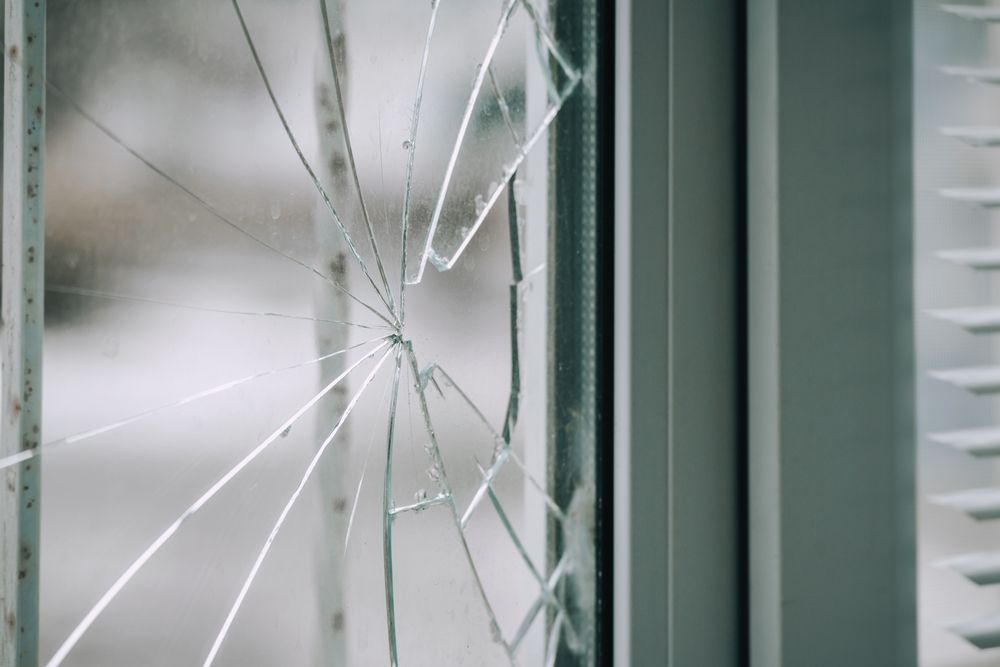
Not every complaint that sounds like a ‘need double glazing’ problem actually is one. A window that's fogging, whistling in the wind or letting in more noise than it used to might have a failed seal, a warped frame or simply need window repairs – not a full double-glazed upgrade. If your existing windows just need sealing or minor fixes rather than a full double-glazed upgrade, our window repairs on the Gold Coast can help first.
It's also worth knowing that standard glass replacement with a modern Low-E coating can meaningfully cut heat transfer and glare on its own, at a lower cost than double glazing. For homes where budget is tight or the problem is isolated to one or two rooms, this is often the more sensible first step.
How ASAP Glass Assesses Whether Double Glazing Is Right for Your Home
Rather than defaulting every enquiry to the most expensive option, our glaziers on the Gold Coast can assess whether double glazing suits your home's orientation and exposure. That assessment typically looks at which way each affected room faces, how much direct sun it gets through the day, whether the issue is heat, noise or condensation and what the existing frames and glass are currently doing – or failing to do.
From there, you'll get a straight answer on whether a full double-glazed unit is the right call, or whether a standard replacement, a Low-E upgrade or a repair would solve the same problem for less. For the broader picture on efficiency gains, read how window replacement improves energy efficiency in Gold Coast homes.
The Bottom Line
Double glazing on the Gold Coast is worth it when heat load, noise or condensation are genuine, ongoing problems in specific rooms – particularly west- and north-facing living areas exposed to strong subtropical sun. It's a less clear-cut win as a blanket, whole-house upgrade when a targeted approach or a standard replacement would fix the actual problem for considerably less. The right call comes down to your home's orientation, exposure and budget, not a generic rule that applies everywhere in Australia.
If you're weighing this up for your own renovation, get a proper on-site assessment before committing either way – it's the only way to know whether double glazing pays for itself in your specific home. For more guidance on glass and window replacements on the Gold Coast, contact ASAP Glass Pty Ltd today or browse our blog.
Frequently Asked Questions
Is double glazing worth it in Queensland?
Yes, for rooms with heavy sun exposure, ongoing condensation or noise issues, but the value case is built on heat-load reduction and comfort rather than winter insulation, which is the main driver in cooler states.
What is the average cost for double glazing?
Costs vary widely based on window size, frame material and glass specification, generally ranging from several hundred to a few thousand dollars per window. A personalised quote is the only accurate way to price your specific windows.
How much does it cost to double glaze an average house?
A full-home upgrade typically runs into the tens of thousands of dollars for a standard Australian home, though many homeowners reduce this by double glazing only the rooms that need it most.
Does double glazing help with humidity on the Gold Coast?
A well-sealed double-glazed unit resists interior condensation better than single-pane glass, which is a genuine benefit in the Gold Coast's humid coastal climate, particularly overnight.
Is double glazing better than a standard window replacement?
Not always. If the issue is a failed seal, an ageing frame or minor drafts, a standard replacement or repair can solve it for less. Double glazing earns its cost where heat, noise or condensation are ongoing, significant problems.
Can I double glaze just some windows instead of the whole house?
Yes. Many Gold Coast homeowners target the west- and north-facing rooms that get the most sun and leave shaded rooms on standard glass, which keeps costs down while addressing the actual comfort problem.